

Summer has arrived, and many people think that the standard for choosing shoes is nothing more than "cool and lightweight". But in reality, China has a vast territory and huge differences in summer climate - plum rain in the south, dry heat in the north, temperature difference between day and night on the plateau, and fine sand and reefs on the seaside, which have completely different requirements for shoes. Wearing the wrong shoes can cause discomfort in the feet, and in severe cases, it may lead to athlete's foot, plantar fasciitis, and even falls.
This article will help you clarify the shoe selection logic for different regions in summer from three dimensions: climate environment, road conditions, and ergonomics.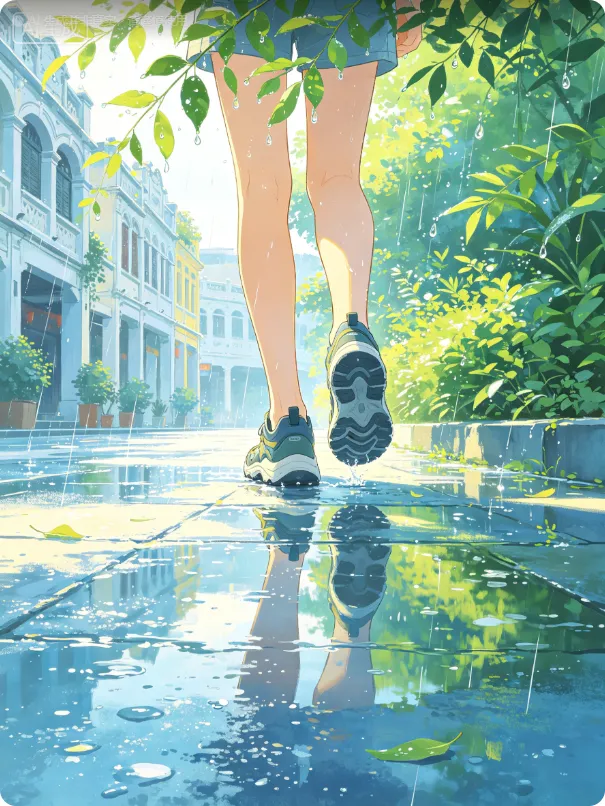
Typical climateHigh temperature, high humidity, and heavy rain (rainy season, typhoon season)
The air humidity in southern summer is always above 80%, and the road surface is prone to water accumulation, moss, or smooth tiles. In this environment, the core contradiction in choosing shoes is to ensure breathability without stuffiness, and to prevent slipping and falling.
Recommended choices:
water shoesFull body mesh with drainage holes, can dry in a few minutes after water enters, and the rubber sole has deep groove patterns, providing good grip on wet and slippery tiles.
Cave shoes (EVA material)Suitable for daily walks and picking up packages on rainy days. But you have to chooseHeel strapOtherwise, the toes will unconsciously "grab the shoes" while walking, which can easily lead to plantar fasciitis if left untreated for a long time.
Non slip breathable sports sandals(Brands such as Teva, Keen, etc.): Velcro design with adjustable elasticity, suitable for commuting or light hiking.
Need to avoid pitfalls:
Thick bottom flip flops (extremely high risk of sprains)
Board shoes made of suede or canvas material (smelly, moldy, or hardened when exposed to water)
Flat bottomed perforated shoes (without arch support, sore soles after standing for a long time)
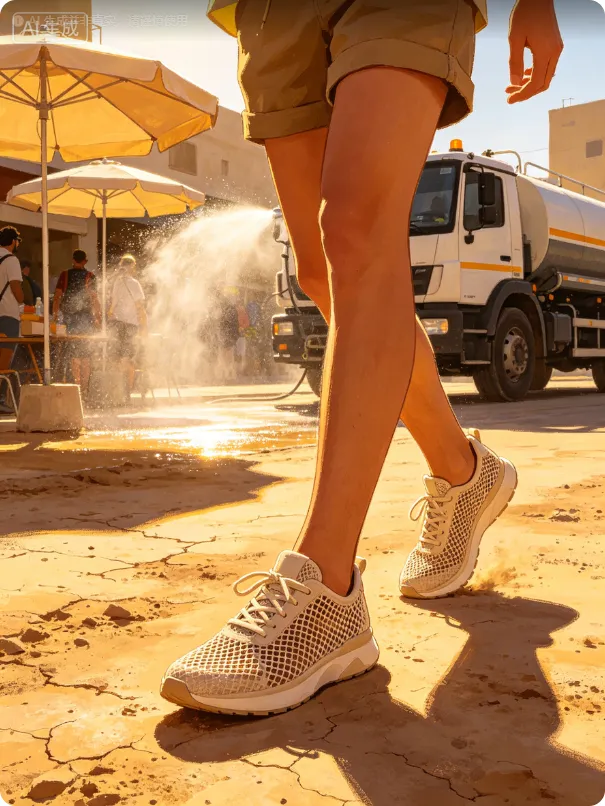
Typical climateDry, exposed to direct sunlight, sometimes with large temperature differences between day and night, and occasional sandstorms
Although summer in the north is hot, the humidity is low and evaporation is fast. The main problem comes fromground temperature和Fine sand and gravelThe temperature on asphalt roads can reach 50-60 ℃ at noon, and wearing thin soled shoes barefoot will cause obvious burns to the feet; In the northwest or on the edge of the desert, sand particles are prone to slip into shoes and create blisters.
Recommended choices:
Canvas shoes or mesh sports shoesGood breathability, good coverage of the shoe opening, and can prevent sand particles from entering. The recommended thickness of the sole should not be less than 2 centimeters, as it can provide insulation.
Flax material kickSweating and drying quickly, suitable for indoor or evening walks.
Beach socks and shoesIt is very practical when playing in the desert or Gobi - it is like a pair of thick socks with rubber soles, heat-resistant, sand proof, lightweight, and sand won't penetrate.
Need to avoid pitfalls:
Leather soled sandals (leather tends to shrink and crack in dry environments)
Fully open thin strap sandals (sand particles directly contact the soles of the feet, causing pain after walking a few steps)
Typical climateStrong solar radiation, frequent showers, and large temperature differences between morning and evening (which may range from 5 ℃ to 25 ℃ within a day)
The daytime temperature in Yunnan, western Sichuan, Qinghai, Xizang and other places is suitable in summer, but it drops suddenly when it rains, and there are often gravels, muddy or wet stone slabs on the road. Wearing a pair of non slip regular sandals for hiking here carries a higher risk.
Recommended choices:
Low cut hiking shoes or off-road running shoesVibram and other large patterned rubber soles can effectively cope with gravel and slippery road surfaces. It is recommended to choose synthetic fiber+mesh material for the shoe upper, as it dries quickly when wet.
Merino wool socksIt may not sound suitable for summer, but wool can regulate temperature and humidity, keeping feet warm and odorless even after sweating or getting wet from rain, making it a good partner for high-altitude outdoor activities.
Rubber soled loafersIf you are only walking in ancient cities or small towns on a daily basis, this is a choice that balances comfort and aesthetics, and the sole should have obvious anti slip patterns.
Need to avoid pitfalls:
Canvas shoes (with a thin sole and crushed stones that hurt the feet)
Thin bottom flip flops (one drop on slippery stone roads)
Pure leather casual shoes (difficult to dry and heavier when exposed to water)
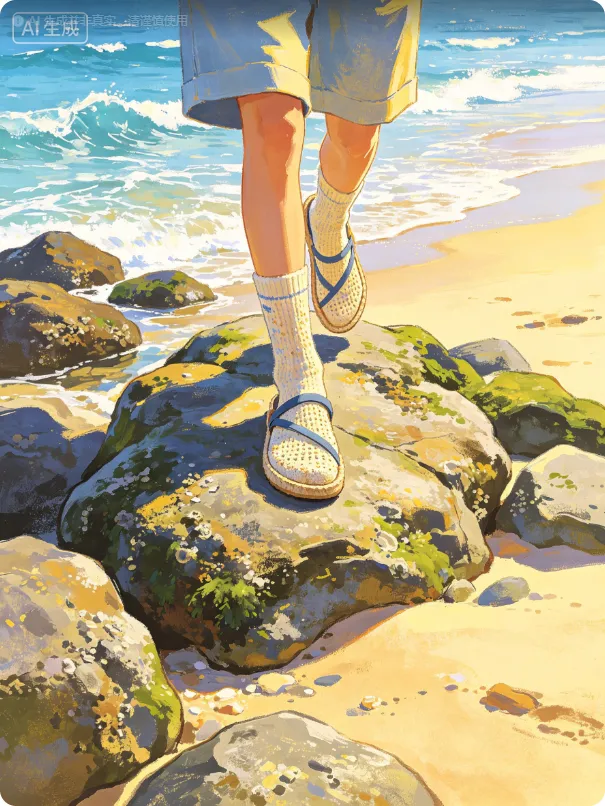
Typical climateHigh salt, high humidity, strong sunlight, alternating beaches and reefs
When vacationing in Sanya, Xiamen, or islands, it's okay to wear slippers most of the time, but the key is when to change shoes. Barefoot or wearing slippers on the beach is very comfortable, but once you step into the rocky area (driving or taking photos), the edges of shells and barnacles are very sharp, and the risk of cuts is not small.
Recommended choices:
Beach socks and shoesIt can prevent sand particles from wearing down the soles of the feet, resist minor cuts, and dry out in just a few minutes when exposed to water.
EVA thick soled slippersChoose styles with curved protrusions on the arch of the foot (such as some ergonomic slippers), which are more foot friendly than flat flip flops.
Linen sailing shoesWearing it in non sandy scenes such as wooden boardwalks or restaurants in the evening is more formal than slippers, and it absorbs sweat without sticking to the feet.
Need to avoid pitfalls:
Wearing only flip flops for a long time (gait changes can easily cause strain on the Achilles tendon or plantar fascia)
Ordinary sports shoes (difficult to clean after entering sand, and can accelerate adhesive aging and fabric corrosion when exposed to seawater)
Whether you are in the south, north, or by the sea, there is a common misconception when choosing shoes in summer:Excessive pursuit of 'lightness and softness', neglecting support。
Many sandals, slippers, and perforated shoes have sponge like soles that are comfortable to step on, but the small muscles on the soles of the feet require continuous effort to maintain stability, which can become even more tiring after walking for half an hour. Long term wearing of these shoes may induce plantar fasciitis, Achilles tendinitis, or thumb eversion.
Scientific advice:
Fold the shoe in half by hand - if it can be easily bent into a U-shape at the sole, it indicates weak arch support and is not suitable for standing or walking for long distances.
Priority should be given to those withArch bulge或Cup shaped wrap around the heelThe shoe styles (some sports sandals and stream tracing shoes will clearly label "arch support").
If you walk more than 8000 steps a day, even in summer, it is recommended to wear a pair of lightweight socks, which can reduce friction and foam, absorb sweat, and extend the shoe cleaning cycle.
| region | Core risk | Preferred shoe style | try to avoid |
|---|---|---|---|
| Southern region (humid and rainy) | Slips and stuffy feet | Stream tracing shoes, lace up hole shoes | Thick soled flip flops, suede shoes |
| Northern region (dry and hot exposure) | Hot feet, sand ingress | Mesh sports shoes, beach socks shoes | Leather soled sandals, thin soled slippers |
| Plateau mountainous areas (with varying road conditions) | Gravel, slippery, temperature difference | Low cut hiking shoes, off-road running shoes | Canvas shoes, thin soled sandals |
| Seaside islands (corroded by sand and water) | Cutting, slipping, sand | Beach socks, EVA arch slippers | Regular sports shoes, flip flops |
One final reminder:Even the best shoes should fit your feetBefore wearing new shoes for the first time on a long-distance walk, it's best to get used to it for a short distance first. In summer, the feet are prone to slight swelling. It is recommended to try on shoes in the afternoon or evening, and leaving half a finger's allowance in the size will be more comfortable.


